
Hear from Our Customers
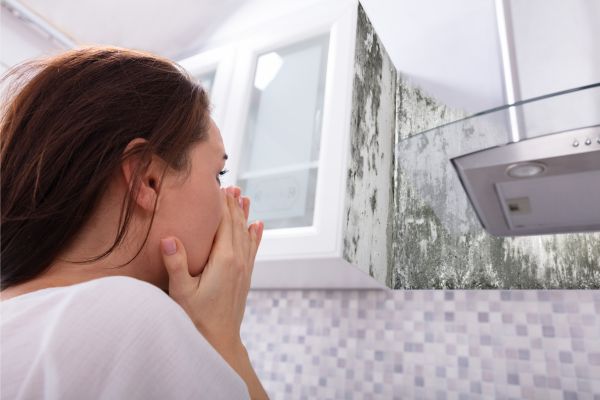
You’ve noticed the smell. Maybe some discoloration on the ceiling or around a window. Or maybe your kid’s been coughing more than usual and you can’t figure out why.
You don’t need a sales pitch. You need to know if mold is actually there, what kind it is, and whether it’s something you should deal with now or just keep an eye on.
That’s what mold testing does. We collect air and surface samples, send them to a certified lab, and give you results that tell you exactly what’s happening in your house. Not a guess. Not a visual inspection that misses what’s behind the drywall. Actual data.
If there’s a problem, you’ll know the scope. If there isn’t, you’ll have peace of mind. Either way, you’re not making decisions in the dark anymore.
We’ve been working in Bucks County for over a decade. We’ve tested homes in Uhlerstown, Frenchtown, Kintnersville, and across the river towns where humidity sits heavy and basements stay damp longer than they should.
We’re certified inspectors. We use lab analysis, thermal imaging, and moisture meters—not just a flashlight and a hunch. And we’re not here to scare you into a $15,000 remediation job if you don’t need one.
You’ll get a report that explains what we found, where we found it, and what it means for your home. If remediation makes sense, we’ll walk you through it. If it doesn’t, we’ll tell you that too.
First, we schedule a time that works for you. When we arrive, we’ll walk through your home and talk about what you’ve noticed—smells, stains, health symptoms, water damage, whatever brought you here.
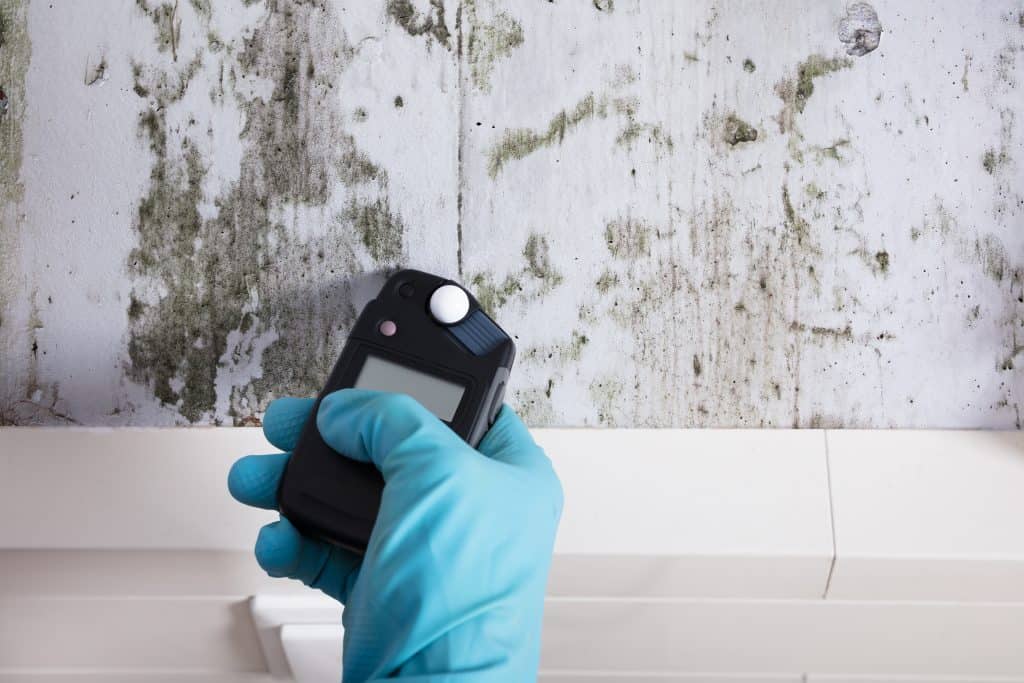
Then we start testing. We use air quality pumps to capture airborne mold spores and swab or tape-lift samples from surfaces where we see growth or suspect contamination. We also use thermal imaging to find hidden moisture and check areas you can’t see—inside walls, under floors, around HVAC systems.
Those samples go to an independent lab. Within a few days, we’ll have results that identify the types of mold present and the concentration levels. We’ll go over the report with you, explain what it means in plain terms, and recommend next steps if needed.
No pressure. No upselling. Just clear information so you can make the right call for your home.
Ready to get started?
You’re not just paying for someone to show up. You’re getting certified lab analysis, advanced detection tools, and a written report you can use for insurance claims, real estate transactions, or your own peace of mind.
Uhlerstown sits right on the Delaware River. That means higher humidity, older homes with stone foundations, and basements that stay cool and damp. Mold loves that. And because so many homes here were built before modern moisture barriers existed, hidden growth is common—especially after a wet spring or a pipe leak that didn’t get fully dried out.
Our testing covers air quality, surface contamination, and moisture mapping. We check the usual spots—bathrooms, basements, crawl spaces—but we also look at HVAC systems, attics, and anywhere water has a history of showing up. If there’s a problem, we find it. If there’s not, you’ll know that too.
The report includes photos, lab results, contamination levels, and recommendations. It’s detailed enough to be useful but written in a way that actually makes sense.
Most residential mold testing runs between $300 and $600 depending on the size of your home and how many samples we need to collect. If you’ve got a small area of concern—like one bathroom or a basement corner—it’ll be on the lower end. If you need a full-home assessment with multiple air and surface samples, it’ll cost more.
We don’t charge for the initial conversation. If you call and describe what’s going on, we can usually give you a ballpark number before we schedule anything.
Some companies offer free testing if you hire them for remediation. That’s a conflict of interest. We’d rather charge you a fair price up front and give you unbiased results than tie our income to whether or not we find a problem.
An inspection is visual. We walk through your home, look for visible mold, check for moisture issues, and give you our professional opinion based on what we see. It’s useful, but it’s limited—we can’t see inside walls or tell you what type of mold is growing.
Testing goes further. We collect samples and send them to a lab for analysis. That tells you exactly what species of mold is present, how much of it there is, and whether it’s something that poses a health risk. Testing also picks up airborne mold you can’t see.
Most of the time, we do both. We inspect first to figure out where to test, then we collect samples from those areas. You get a complete picture that way—not just “yes, there’s mold,” but “here’s what kind, here’s how bad it is, and here’s what you should do about it.”
You can, but it won’t tell you much. Those kits test for the presence of mold—which is almost always going to come back positive because mold spores exist everywhere. They don’t tell you what type of mold it is, how much is there, or whether it’s a health concern.
They also don’t account for where you place the test. If you put it in the wrong spot, you’ll miss the contamination entirely. And if you do find mold, you still won’t know if it’s toxic black mold or just the harmless stuff that grows on shower grout.
Professional mold testing uses lab-grade equipment and certified analysis. We know where to sample, how to collect it properly, and how to interpret the results. If you’re trying to figure out whether you have a real problem or just want documentation for a real estate deal or insurance claim, a $10 kit from the hardware store isn’t going to cut it.
Once we collect the samples, it usually takes three to five business days to get results back from the lab. Sometimes faster if we request a rush, but that costs extra and usually isn’t necessary unless you’re in the middle of a real estate closing.
We’ll send you the full lab report as soon as we get it, and then we’ll schedule a time to walk through it with you. The report will show what types of mold were found, the concentration levels, and how those numbers compare to normal outdoor air. We’ll explain what it all means and whether you need to take action.
If we find something that needs immediate attention—like high levels of Stachybotrys or signs of active water intrusion—we’ll call you right away. But most of the time, mold issues aren’t emergencies. You’ve got time to understand the results and make a smart decision about what to do next.
Not always. If you’ve got visible mold and you’re planning to remove it anyway, testing might not change anything. You already know it’s there, and the next step is remediation regardless of what species it is.
But testing still makes sense in a few situations. If you’re dealing with health symptoms and want to confirm that mold is the cause, testing will tell you if airborne spore levels are elevated. If you’re buying or selling a home and need documentation, a lab report gives you something official to work with. And if the visible mold is just the tip of the iceberg—like you’ve got a small patch on the wall but suspect there’s more behind it—testing helps you understand the full scope before you start tearing things apart.
We’ll be honest with you about whether testing adds value to your situation. If it doesn’t, we’ll tell you to skip it and move straight to remediation. If it does, we’ll explain why and what you’ll learn from it.
The most common types we find are Cladosporium, Penicillium, Aspergillus, and sometimes Stachybotrys—which is the one people call black mold. Cladosporium and Penicillium show up in damp basements, around windows, and in bathrooms. They’re not usually dangerous unless you’re allergic or have asthma, but they’re a sign that moisture levels are too high.
Aspergillus grows in HVAC systems, on drywall, and in areas with poor ventilation. It can cause respiratory issues, especially for kids and older adults. Stachybotrys is less common but more concerning. It grows on water-damaged wood and drywall and produces mycotoxins that can make people sick. If we find it, we’ll recommend remediation right away.
Uhlerstown’s location near the river and the age of the housing stock here mean moisture problems are common. Older homes weren’t built with vapor barriers or modern ventilation, so mold finds its way in easier. Testing tells you exactly what you’re dealing with so you’re not just guessing based on what it looks like.
Other Services we provide in Uhlerstown